How to spot basal insulin that is too high or too low with type 1 diabetes
With type 1 diabetes, basal insulin should help keep glucose relatively steady when there is no food or active bolus. If glucose repeatedly drifts up or down overnight or between meals without an obvious reason, basal coverage may not be quite right. Base your assessment on recurring patterns under similar conditions, rather than a single episode.
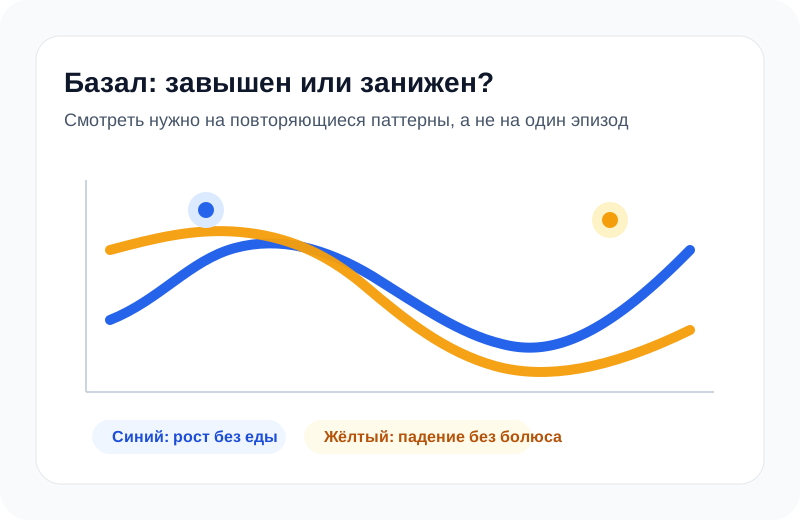
Which signs may suggest a basal problem
- Glucose rises without food — if glucose rises on similar days and at similar times without eating or an obvious missed bolus, this may suggest insufficient background insulin.
- Glucose falls without an active bolus — if the chart trends down without food, a correction or exercise, basal insulin may be too strong during those hours.
- The problem repeats at the same time — it is particularly useful to check for similar patterns overnight, towards morning or between the same meals.
- There are persistent overnight dips or rises — overnight hours often show how steadily basal insulin works, because food has less influence.
- The chart does not stay steady between meals — if glucose moves noticeably up or down during quiet periods, this is a reason to review the basal component more closely.
How to avoid drawing the wrong conclusion
- Do not draw conclusions immediately after a meal: carbohydrates, fat, protein and bolus timing can affect the chart.
- Do not judge basal insulin from one day: recurring patterns under similar conditions matter more than a one-off episode.
- Review episodes after hypoglycemia separately: a rise after an overnight low does not always mean basal insulin is too low.
- If you use a pump or AAPS, account for temporary basal rates, automatic corrections and overnight-mode settings.
- Look at the whole picture: a problem may resemble inadequate basal coverage when the actual cause is a late meal, incorrect bolus timing or a correction that is too small.
What to do next
This review makes it easier to identify the more likely problem: basal insulin, meal boluses, corrections or recurring patterns at particular hours. Adjust basal insulin cautiously, after several similar observations rather than a single chart.