Frequent AAPS corrections at night: what they may mean
With type 1 diabetes, AAPS may sometimes make automatic corrections too frequently at night. This alone does not point to one specific problem. Sometimes the system repeatedly catches up with a rise towards morning. Sometimes the cause carries over from a late meal, an overnight pattern or the settings. Frequent overnight corrections can themselves be a useful reason to review the charts.
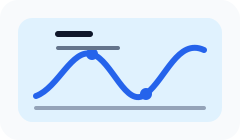
What frequent AAPS corrections at night may mean
- The system repeatedly catches up with a rise towards morning — if automatic corrections often occur at similar times, this is an important pattern to review.
- The overnight pattern carries over from a late meal — sometimes AAPS is not addressing a new problem, but is still catching up with the effects of dinner or a high-fat meal.
- The settings provide too little coverage specifically at night — if glucose would consistently rise without automatic corrections, this may suggest insufficient coverage during those hours.
- There are too many automatic corrections over several consecutive nights — it is the recurring pattern that matters, rather than one difficult night.
How to review AAPS charts without jumping to conclusions
- Review several similar nights together: one difficult night does not necessarily mean a persistent problem.
- Check whether the pattern starts in the evening: a late meal or late glucose rise often carries over into the night.
- Look at the exact hours when AAPS most often makes automatic corrections and whether the timing repeats.
- Assess whether automatic corrections keep glucose steady or whether the system is constantly catching up with a rise.
- Do not change AAPS settings immediately after one problem: first look for a recurring overnight pattern.
What to do after this review
This review makes it easier to identify the more likely cause: a late meal, an overnight rise towards morning, insufficient coverage specifically at night, or a recurring pattern at the same hours. Adjust AAPS settings gradually, after several similar nights rather than one difficult chart.